When a child complains of persistent bone pain, most parents hope it is nothing more than a growth-related issue or a minor injury. For some families, those early signs lead to a much harder reality. A diagnosis of pediatric bone cancer can feel overwhelming, bringing fear, confusion, and countless questions about the future, like “Is it serious?” “What happens next?” “Will life ever feel normal again?” At this moment, having the right guidance matters.
Pediatric bone cancer is rare, but when it occurs, early guidance and expert care make a meaningful difference. With the right specialist, treatment plan, and emotional support, many children and young people go on to recover, grow, and reclaim their routines.
What Is Pediatric Bone Cancer?
Pediatric bone cancer is actually malignant tumors that begin in the bones of children and adolescents. It usually affects growing bones and is commonly diagnosed during periods of rapid growth. Well, the word cancer is frightening for anyone. However, due to the advancement in orthopedic oncology, the result has improved significantly when the diagnosis and treatment happen early.
A pediatric bone cancer specialist like Dr. Mohamed Mashhour focuses not only on removing the disease, but also on protecting movement, growth, and long-term quality of life.
Signs and Symptoms Parents Should Not Ignore
Bone cancer symptoms can be subtle at first and are often mistaken for sports injuries or growing pains. What matters most is persistence and change over time.
Parents and patients should seek medical attention if they notice:
- Ongoing bone or joint pain that does not improve with rest and gets worse at night
- Swelling or a noticeable lump near a bone or joint, sometimes with warmth or tenderness
- Difficulty using an arm or leg, including limping, stiffness, or reduced movement
- Fractures after minor injuries, as affected bones may become weaker
- Unexplained fatigue, weight loss, or reduced activity levels that continue over time
As a parent or patient, you need to trust your instincts. If something feels unusual or symptoms keep returning, it is worth having them carefully evaluated by a pediatric bone cancer specialist.
How Pediatric Bone Cancer Is Diagnosed
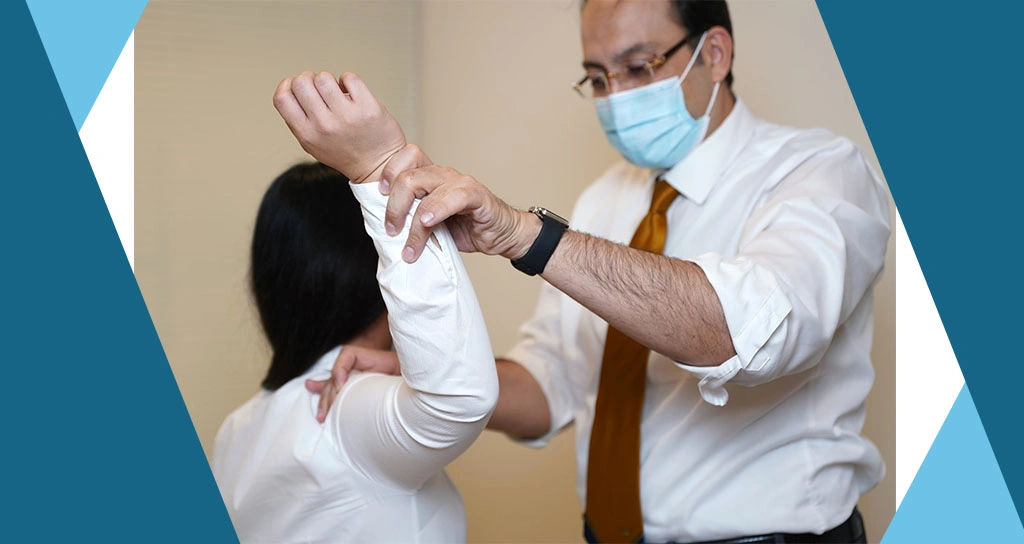
The diagnostic process usually starts with a careful conversation. The doctor listens closely to the symptoms, how long they have been present, and how they affect daily life. The initial consultation is followed by a physical examination to determine the source of the pain or swelling.
- Imaging tests play an important role. X-rays are often the first step and can show changes in the bone that should not be ignored.
- MRI or CT scans then provide a more detailed view, helping doctors understand the size of the tumor and how far it may have spread.
- To confirm the diagnosis, a biopsy is performed, where a small sample of tissue is examined to identify the exact type of cancer.
Dr. Mohamed Mashhour believes that taking the time to reach an accurate diagnosis is essential. When families clearly understand what is happening, treatment decisions become less overwhelming. A precise diagnosis allows care to move forward with confidence, clarity, and a plan tailored to the child’s specific needs.
Treatment Options Focused on Healing and Function
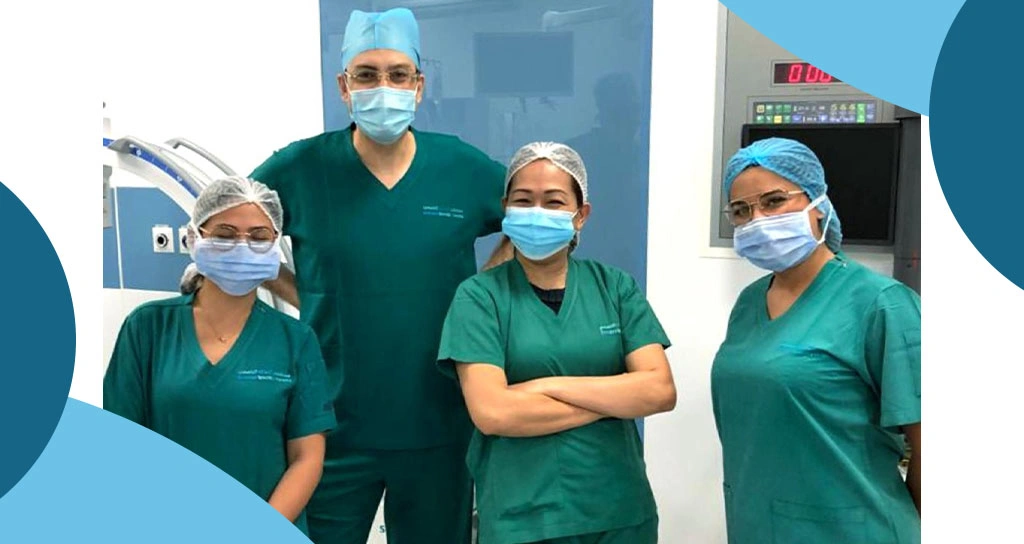
Treatment plans for pediatric bone cancer are highly individualized. Most patients require a combination of therapies, carefully coordinated by a multidisciplinary medical team.
Chemotherapy is often used to shrink tumors and address cancer cells that may have spread beyond the bone. Surgery aims to remove the tumor completely while preserving as much function as possible. Advances in limb-sparing surgical techniques now allow many children to retain full use of their arms or legs. Radiation therapy may be recommended in certain cases, particularly for specific sarcomas.
As a pediatric bone cancer specialist, Dr. Mashhour’s approach balances medical effectiveness with long-term function. Each decision is guided by what will best support the child’s recovery, independence, and future growth.
Life After Treatment and Ongoing Care
Recovery does not end when treatment stops. Rehabilitation plays a vital role in rebuilding strength, balance, and movement. Through a well-structured physical therapy program, children can return to school, sports, and everyday activities at their own pace.
Emotional healing also matters in such cases. Children, teens, and even adults may struggle with anxiety or fear of recurrence. At that time, they need support from family, counselors, and medical teams to regain trust in their bodies and their future.
With regular follow-ups, parents and patients can monitor recovery, growth, and long-term health. This ongoing care is an essential part of survivorship.
Final Words
Pediatric bone cancer is challenging. But, with expert care, thoughtful treatment, and compassionate guidance, many children and young adults move forward into healthy, active lives.
Choosing the right pediatric bone cancer specialist can shape not only treatment outcomes, but also how a family experiences the journey. Contact us today to schedule a consultation with Dr. Mohamed Mashhour, understand the situation, and get the best treatment plan for your loved one.
Frequently Asked Questions
Q1. When should I see a pediatric bone cancer specialist?
If bone pain persists, worsens at night, or is accompanied by swelling or reduced movement, a specialist evaluation is highly recommended without delay.
Q2. Can children live normal lives after bone cancer treatment?
Yes. Most children return to school, sports, and daily activities with proper treatment, rehabilitation, and follow-up care.
Q3. Does pediatric bone cancer always require surgery?
Not always. Treatment plans may include chemotherapy, surgery, radiation, or a combination, depending on the tumor type and stage.