When a child complains of persistent bone pain, swelling, or discomfort that doesn’t improve with rest, parents often hope it’s nothing serious. But when the pain worsens, interrupts sleep, or affects daily activities, the worry becomes real. This is the frightening reality many families face before receiving a diagnosis they never expected, just like Ewing Sarcoma.
This rare but aggressive cancer demands quick action, clarity, and the right medical guidance, yet many parents feel overwhelmed, confused, and unsure where to begin.
What Is Ewing Sarcoma?
Ewing Sarcoma is a rare type of cancer that develops in the bones or soft tissues surrounding them, commonly affecting children and teenagers. It often appears in long bones like the legs, pelvis, or ribs, and may initially mimic minor injuries or sports-related pain. Remember, early symptoms can be subtle, so consulting Ewing sarcoma specialists is crucial for accurate diagnosis and timely treatment.
Symptoms Parents Should Never Ignore:
Ewing Sarcoma can progress quickly, which makes early detection vital. Some red flags include:
- Persistent bone pain that worsens over weeks
- Swelling or a noticeable lump
- Unexplained fever
- Fatigue or reduced movement in a limb
- Pain that intensifies at night
While these signs don’t always mean cancer, they should prompt an immediate medical evaluation, especially if pain persists without a clear cause.
How Is Ewing Sarcoma Diagnosed?
Diagnosis involves a combination of clinical evaluation and imaging tests. Doctors may recommend:
- X rays
- MRI or CT scans
- Bone scans
- Biopsy to confirm cancer cells
Only with a biopsy can doctors determine the exact type and stage of the tumor. Early and accurate diagnosis ensures patients start the right Ewing sarcoma treatment without delay.
Treatment Options: What Families Can Expect
Ewing Sarcoma treatment plans typically involve multiple approaches to remove the tumor and reduce its spread. The most common treatment pathway includes:
1. Chemotherapy
Used to shrink the tumor and eliminate cancer cells throughout the body.
2. Surgery
The primary goal is to remove the tumor while preserving as much bone and function as possible.
3. Radiation Therapy
Often used when surgical removal is challenging or when additional tumor control is required.
Working with top ewing sarcoma doctors ensures each child receives an individualized plan suited to their age, tumor location, and overall health.
Living Through Treatment: What Parents Should Know
Ewing Sarcoma treatment can be physically and emotionally demanding. Families may experience:
- Long hospital visits
- Chemotherapy side effects
- Physical therapy needs
- Emotional stress for both the child and the family
However, advances in treatment now offer significantly improved survival rates, especially when managed by an experienced pediatric oncology and orthopedic oncology team.

Why Expert Care Matters: Dr. Mohamed Mashhour’s Comprehensive Approach
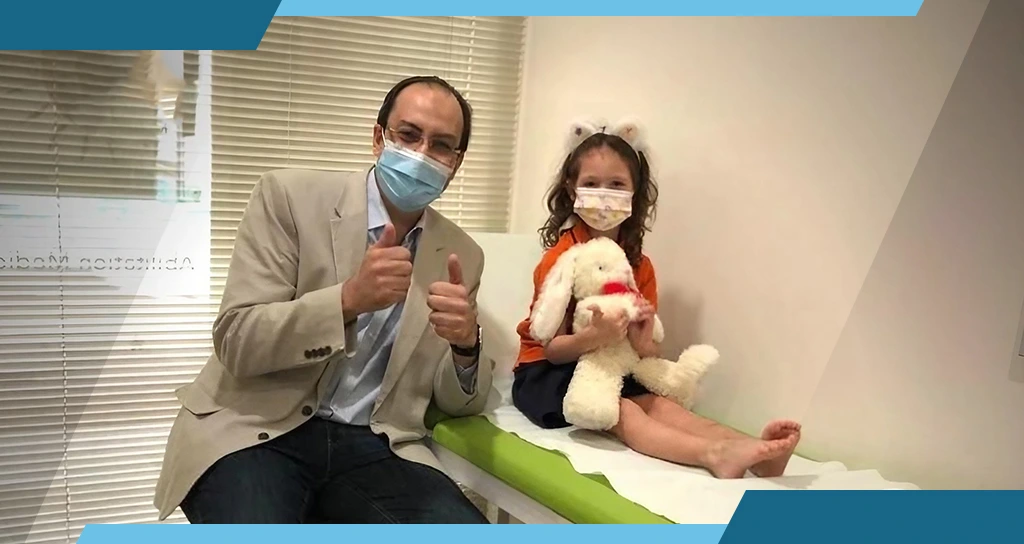
For families seeking trusted, specialized care in the UAE, Dr. Mohamed Mashhour stands out as a leading orthopedic oncologist with extensive experience treating bone and soft tissue cancers. His expertise covers complex sarcoma surgeries, personalized treatment planning, and advanced techniques focused on preserving function and improving outcomes. Dr. Mashhour works closely with a multidisciplinary team, ensuring every child receives holistic, compassionate, and precise care, from diagnosis to recovery. Parents can feel confident knowing their child is being treated by one of the region’s most dedicated sarcoma specialists.
If your child is showing signs of persistent bone or soft tissue pain, don’t wait. Schedule a consultation with Dr. Mohamed Mashhour and get expert guidance for a clearer, safer path forward.